General Mills removes artificial colors from US cereals
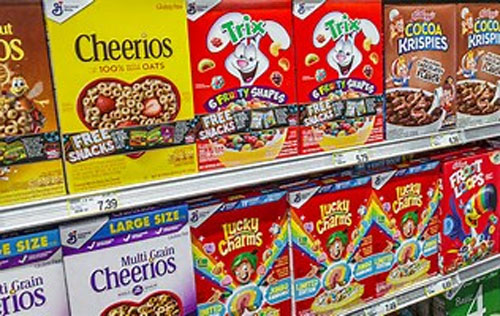
(The Hill) – General Mills said Wednesday that it has ended the use of artificial coloring in its United States cereal portfolio with intentions to remove the dyes by the end of 2027.
In a press release, the company stated that 90 percent of General Mill’s U.S. retail portfolio had made the transition while all of its cereal already removed certified colors.
“This achievement reflects how we are evolving with consumer needs while continuing to offer food that tastes great, delivers quality and provides value,” Big C Cereal President at General Mills Bethany Quam said.
The company also stated that it will be launching “twice as many new products” for consumers with “different needs and preferences… including more protein and fiber options, along with even more new foods featuring familiar ingredients that consumers recognize and trust.”
WK Kellogg Co., reported a similar move on Aug. 6 to mandate an accelerated timeline in the company to remove artificial dyes from products.
The push comes over a year after Food and Drug Administration (FDA) Commissioner Martin Makary enacted regulation to phase out petroleum-based food dyes in U.S. food products. Makary, at the time, linked the dyes to ADHD, obesity, diabetes, insulin resistance and cancer.
Health Secretary Robert F. Kennedy Jr. echoed Makary’s points, calling the dyes “poisonous compounds” that endanger children’s health and development, citing limited evidence of potential health risks.
In place of synthetic dyes, foodmakers can use natural hues made from beets, algae, crushed insects, as well as pigments from purple sweet potatoes, radishes and red cabbage.
Makary said the FDA would be initiating a plan to revoke the authorization of the synthetic food colorings Citrus Red 2 and Orange B with further plans to remove other synthetic dyes off the market by the end of 2026, including Red Dye 40, Yellow No. 5, Yellow No. 6, Blue No. 1, Blue No. 2 and Green No. 3.
Trix, a General Mills cereal, contained three FDA-targeted dyes – Red Dye 40, Blue No. 1 and Yellow No. 6 – before the company phased it out.
Other food companies that have made voluntary moves to produce naturally-colored products are PepsiCo, ConAgra, McCormick, J.M. Smucker, Hershey and Kraft Heinz